Putney rubbish clearance near Putney Bridge station
Posted on 14/08/2026
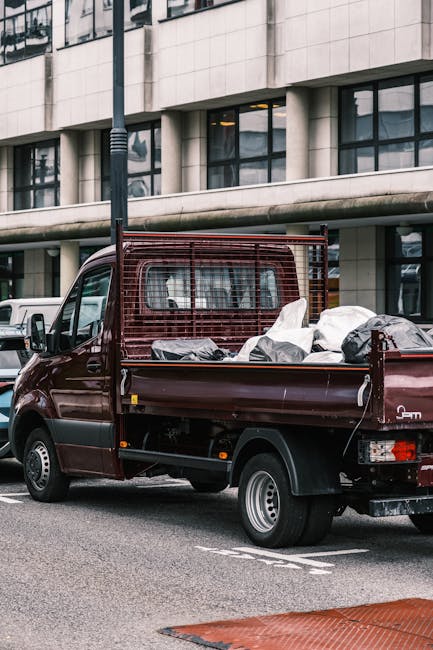
Putney rubbish clearance near Putney Bridge station: a practical local guide
If you are dealing with a flat full of boxes, a broken wardrobe, post-renovation rubble, or just the slow creep of household clutter, Putney rubbish clearance near Putney Bridge station can be the simplest way to get your space back. The tricky part is knowing what to book, what to avoid, and how to make sure the waste is handled properly. In a busy corner of southwest London, where parking can be tight and access can be awkward, a good clearance plan matters more than people expect.
This guide breaks the process down in plain English. You will find out how local rubbish clearance usually works, what it is best for, how to compare options, and what to check before anything leaves your property. We will also look at common mistakes, compliance basics, and a few practical details that tend to get overlooked until the last minute. Truth be told, that is usually when the stress starts.
Why Putney rubbish clearance near Putney Bridge station matters
Putney Bridge station sits in a part of London where people move fast, homes are often compact, and access can be a bit of a puzzle. That makes rubbish clearance less about simply lifting waste and more about getting the timing, loading, and disposal right. If you have ever tried to shift a dismantled sofa out of a narrow hallway while the rain starts tapping on the pavement, you will know the feeling.
Local rubbish clearance matters here for a few reasons. First, properties near the station often have limited storage, so clutter builds quickly. Second, flats and converted houses can generate mixed waste that is awkward to sort on your own. Third, the area includes residents, small businesses, landlords, and contractors, each with different waste needs. One person may need a single bulky item removed. Another may need a full clear-out after a tenancy or renovation. A third may just need garden waste taken away before it starts smelling earthy and a bit too alive.
There is also the simple issue of convenience. If waste is left sitting around, it starts taking over the room, and the room starts taking over your mood. Clearing it promptly helps people get on with life, which is really the point. For a broader view of how local services fit into everyday Putney life, you may also find a local perspective on living in Putney useful.
How Putney rubbish clearance near Putney Bridge station works
In practice, rubbish clearance is usually straightforward, but only if you prepare a little. The process normally begins with identifying the type and volume of waste. A few bin bags is one thing. A builder's sack of broken tiles, old kitchen units, and plasterboard is another. Mixed waste often needs a more careful approach, both for safety and for recycling.
Next comes access. Around Putney Bridge station, access details matter: is there permit parking, a narrow front path, stairs, or a basement flat? These small points affect how quickly the team can remove items and whether extra handling is needed. It sounds minor, but honestly it can make or break the job.
Then there is sorting. Many clearance jobs include a mix of reusable items, recyclable materials, general rubbish, and sometimes items that need specialist handling. Good clearance practice means separating what can be diverted from landfill where possible and dealing with anything risky or regulated in the correct way.
For homeowners, landlords, and businesses, this process is easier when the service is matched to the waste type. A domestic clear-out is not the same as commercial waste removal. Nor is furniture disposal the same as appliance disposal. If you want to compare the available options in one place, the services overview is a sensible starting point, and the site's recycling and sustainability page explains the general approach to responsible disposal.
Key benefits and practical advantages
A well-run rubbish clearance service does more than remove unwanted items. It removes friction. That is the quiet benefit most people remember afterwards.
- Faster reclaiming of space: rooms become usable again, which is especially valuable in smaller Putney homes and flats.
- Less lifting and stress: no wrestling heavy furniture through tight stairwells or down the front path.
- Cleaner handover for tenancies and sales: useful when you are between renters, preparing a property for market, or dealing with a move.
- Better sorting and recycling: a structured clearance can reduce avoidable waste and improve reuse opportunities.
- Safer handling: awkward items, sharp debris, and white goods can be removed with less risk to you.
- More predictable timings: especially helpful if you are coordinating with decorators, movers, or tradespeople.
Another advantage near Putney Bridge station is simple logistics. If you are close to transport links, you may be juggling commuting, building works, school runs, or delivery windows all at once. A clearance slot that removes the pile in one sweep is often worth more than people think. No one loves living around a mountain of flat-pack cardboard for three weeks.
For household jobs, the dedicated domestic waste collection in Putney page is relevant. For larger clear-outs, house clearance in Putney is usually the better fit. And if the job involves bulky items, furniture removal can be the simplest route.
Who this is for and when it makes sense
This type of clearance is useful for a wide range of people. Some situations are obvious. Others only become obvious after the clutter has been sitting there for a month and everyone keeps stepping around it.
- Homeowners clearing lofts, garages, spare rooms, or renovation leftovers.
- Tenants who need to leave a property clean and empty before checkout.
- Landlords and letting agents handling end-of-tenancy rubbish, abandoned belongings, or post-move cleanup.
- Estate and property managers who need a property emptied quickly and carefully.
- Builders and tradespeople dealing with rubble, timber, packaging, or mixed site waste.
- Small businesses that need an office, retail backroom, or storage area cleared.
- Garden owners dealing with branches, cuttings, soil, and seasonal waste.
It also makes sense when the waste is too much for a normal bin collection, too bulky to move safely by yourself, or too mixed to manage efficiently in one trip. If you are choosing between specialist support options, pages such as builders waste removal, garden waste removal, and white goods and appliance disposal can help narrow the right service.
Expert summary: the best rubbish clearance is not just the fastest one. It is the one that matches the waste type, the access conditions, and the way you want the property left at the end. That simple. Well, mostly simple.
Step-by-step guidance
If you want the job to go smoothly, a little preparation goes a long way. Here is the practical route we would suggest.
- List what needs removing. Separate bulky furniture, loose rubbish, appliances, garden materials, and building debris if you can.
- Check access. Note stairs, parking restrictions, loading space, lift access, and any awkward entry points.
- Identify anything special. Paint tins, fridges, electronics, chemicals, and sharp waste may need separate handling.
- Estimate the volume. A quick photo set usually helps. If you are unsure, err on the side of caution and describe the pile honestly.
- Ask about disposal method. A proper provider should be able to explain how items are sorted, recycled, or disposed of.
- Confirm timing. If you need a same-day or next-day slot, say so early. Local schedules can fill up faster than people expect.
- Prepare the area. Move small valuables, clear a route to the waste, and protect any surfaces you care about.
- Review the quote. Make sure it reflects the actual job, not just a rough guess that changes once the team arrives.
A small but useful habit: take photos before the clearance and after it. It sounds boring, but for landlords and homeowners it can be reassuring, especially if you are handing a property over to someone else.
If payment and trust are on your mind, the site's payment and security page and pricing and quotes page are worth a look. They help set expectations before anything is booked.
Expert tips for better results
A few small decisions can make a clearance noticeably smoother. In our experience, these are the ones that matter most.
- Group items by type before the team arrives. It saves time and reduces confusion at the kerbside.
- Keep access clear. A hallway full of shopping bags, shoes, and bikes slows everything down. It always does.
- Be honest about awkward waste. If there is plasterboard, broken tiles, a mattress, or a heavy fridge, say so early.
- Ask what can be reused or recycled. You may be surprised how often furniture, metal, and cardboard can be handled differently.
- Book around building noise and neighbours. Early mornings can be efficient, but a considerate schedule often reduces tension in shared buildings.
- Use the job as a reset. If you are clearing one area, do not casually drag half the clutter into another room. It happens. Quickly, too.
For anyone dealing with a property transition, the blog posts on purchasing homes in Putney and real estate in Putney give useful local context about why timing and presentation matter. That is especially relevant if rubbish clearance is part of a move, sale, or refurbishment.
Common mistakes to avoid
Most clearance problems come from rushing. People underestimate the volume, forget about access, or assume all waste can be treated the same way. Not quite.
- Leaving items mixed together: recycling becomes harder, and specialist waste can get lost in general clutter.
- Forgetting building access rules: a blocked driveway or no parking space can create delays and extra cost.
- Booking the wrong type of service: domestic, commercial, furniture, and builders' waste each need different handling.
- Not mentioning hazardous or awkward items: this can cause last-minute refusal or a revised quote.
- Choosing on price alone: the cheapest option is not always the best one, especially if proper disposal matters to you.
- Ignoring the aftermath: once the rubbish is gone, you may still need a sweep, a wipe-down, or a quick repair to make the space actually usable.
There is also a common mindset issue: people wait until the mess becomes emotionally tiring. Then everything feels urgent. That is understandable, but if you can plan the clearance before it reaches that point, the whole experience tends to be calmer. A bit less dramatic, which is nice for everyone.
Tools, resources and recommendations
You do not need specialist equipment to prepare well, but a few simple tools help:
- Phone camera: useful for taking accurate photos of the waste and access points.
- Measuring tape: handy for bulky furniture, appliances, or tight stairwells.
- Markers or sticky notes: good for separating what stays, what goes, and what should be recycled or kept aside.
- Heavy-duty bags or boxes: useful for smaller loose waste before collection.
- Gloves and sensible footwear: important if you are moving items yourself, even briefly.
For service comparison, the most helpful pages on the site are the ones that explain scope and standards, not just the headline service. Try about us if you want to understand the business more fully, and insurance and safety if you want peace of mind about the handling side of things.
If you are specifically checking contractor compliance, the waste carrier licence and compliance page is especially relevant. That is the sort of detail people often skip until they really, really should not.
Law, compliance, standards and best practice
Waste clearance in the UK is not something to treat casually. Without getting lost in legal jargon, the main principle is simple: waste should be collected, transported, and disposed of by someone who is properly set up to do it. For householders and businesses alike, it is sensible to check that the provider operates responsibly and can explain what happens to the waste after collection.
Best practice usually includes the following:
- Using a compliant waste carrier for collection and transport.
- Separating recyclable materials where practical.
- Handling special waste responsibly rather than mixing it into general rubbish.
- Following site safety procedures for lifting, loading, and access.
- Keeping clear records for commercial jobs, when needed, so there is a traceable trail.
For businesses, landlords, and contractors, it can also help to read through the guidance on commercial waste removal in Putney. And if you are working on a project with multiple moving parts, the blog article on working with local councils for waste disposal offers a useful broader perspective on responsible disposal habits, even if every site and situation is different.
Options, methods and comparison table
Different waste problems call for different solutions. The right choice depends on what you are clearing, how quickly it needs to happen, and whether the items are bulky, mixed, or sensitive.
| Option | Best for | Strengths | Possible drawbacks |
|---|---|---|---|
| General rubbish clearance | Mixed household waste, clutter, bagged rubbish | Flexible, straightforward, often quick | May not suit specialist waste types |
| Furniture removal | Sofas, wardrobes, tables, beds | Ideal for bulky items, reduces lifting | Can be less efficient if mixed with other waste |
| House clearance | Whole-room or whole-property clear-outs | Best for larger or more complex jobs | Needs clearer planning and access details |
| Builders waste removal | Debris, rubble, timber, renovation waste | Good for post-project tidy-ups | Special handling may be needed for some materials |
| Garden waste removal | Cuttings, soil, branches, outdoor clutter | Useful after pruning or landscaping | Wet or heavy organic waste can be awkward |
| White goods disposal | Fridges, washing machines, ovens | Helps with safe removal of heavy appliances | Appliances often need more careful handling |
If you are unsure which route fits, start with the waste type first, not the room name. A kitchen clear-out might include furniture, appliances, and general rubbish all in one go. Mixed waste jobs are common. A bit messy, but common.
Case study or real-world example
Picture a second-floor flat near Putney Bridge station after a long-overdue refresh. The resident has old shelving, a broken armchair, two mattresses, cardboard from new furniture, and a handful of leftover bits from redecorating. There is no lift, the stairwell is narrow, and parking is awkward because of nearby traffic and loading restrictions.
In that situation, the most sensible approach is not to try to break the job into five separate trips. That only increases hassle. Instead, the waste should be grouped by type, access details should be shared in advance, and the team should arrive with the right manpower and handling plan. The result is usually cleaner, quicker, and less disruptive to neighbours.
The interesting thing is how often people discover, after the clearance, that the room feels bigger than they remembered. Not magically bigger, obviously. Just finally visible again. Sunlight hits the floor properly. The space breathes. You can hear yourself think, which is underrated.
Practical checklist
Use this before you book or on the day itself:
- List everything that needs clearing
- Separate reusable, recyclable, and general waste where possible
- Check stairs, lifts, doors, and parking access
- Flag bulky, heavy, or awkward items early
- Keep hazardous or specialist waste clearly identified
- Take before photos if you need a record
- Confirm the time window and any site restrictions
- Clear the route from the waste to the exit
- Remove items you want to keep before the team arrives
- Ask how the waste will be handled after collection
Quick takeaway: the smoother the prep, the less stressful the clearance. A good local service should make the job feel calm and efficient, not like a mini construction project in your hallway.
Conclusion
Putney rubbish clearance near Putney Bridge station is really about restoring order in a place where life is already busy enough. Whether you are clearing a flat, preparing a rental, dealing with renovation debris, or just finally tackling the cupboard that has been judging you for months, the right approach will save time, reduce stress, and help make sure the waste is handled properly.
The best results usually come from a simple formula: know what needs removing, check the access, choose the right service type, and work with a provider that is clear about safety, compliance, and disposal standards. That is the quiet difference between a rushed pickup and a proper clearance job.
Get a free quote today and see how much you can save.
And if you are still deciding, that is fine. Take it one step at a time. A cluttered space is fixable, and once it is cleared, the relief is surprisingly immediate.